Air conditioner repair in Buffalo
A Buffalo air conditioner spends October through May doing nothing, and the trouble tends to surface on the first sticky afternoon in June. Warm air from the vents, frost on the copper, a puddle by the furnace: one diagnostic visit usually pins it down, and a lot of these turn out to be small electrical parts rather than the compressor.
Seven months off, then July
Down South a condenser wears out from running all year. Here the wear comes from the opposite direction. The unit sits under lake-effect snow all winter, then gets switched on for a July whose afternoons now average 82.2°F at the airport, with about 26.6 days a year reaching 85°F (2016-2025, NOAA). Parts that dislike sitting idle are the ones a Buffalo technician replaces most.
- Run capacitor. The small canister that gives the compressor and fan motor their starting jolt. When it weakens, the outdoor unit buzzes and the fan blade sits still. Fixr's range for swapping one: $100 to $400.
- Contactor. The relay that energizes the condenser when the thermostat calls. A winter of ants, moisture and corrosion can pit the contacts so they stick or fail to close. This Old House prices relay and contactor jobs at $100 to $450.
- Condensate line. In a typical Buffalo basement the cooling coil is perched on the furnace, and its drip line or little pump has spent months collecting dust. When it backs up, water lands on the furnace cabinet or the basement floor. Caught early, it is a cheap call.
- Leaking refrigerant. Lukewarm air together with frost on the larger copper line is a classic sign. Topping it off without locating the leak just books the same visit for next summer. Fixr has leak repair at $200 to $1,500.
- The furnace fan. Central air in a gas-heat house borrows the furnace blower to push cold air through the ducts. A dead blower motor or control board leaves the condenser humming outside while the registers stay quiet.
- Compressor. The big-ticket failure, $600 to $3,000 per Fixr. On an older unit, this is where the conversation turns to replacement.
Five minutes of checking first
None of this needs tools, and now and then it saves the trip fee.
- Thermostat: mode on cool, setpoint a few degrees under the room, fresh batteries if it takes them.
- Two breakers, one for the furnace and one for the condenser, plus the pull-out disconnect mounted on the house next to the outdoor unit. A tripped breaker gets one reset. A second trip means stop and call.
- The service switch by the furnace, which looks exactly like a light switch and gets flipped off by accident more often than you'd think.
- The filter slot at the furnace. A choked filter starves the coil of air until it freezes.
- Frost anywhere? Thermostat to off, fan to on, and let it melt for a few hours. Running a frozen coil risks the compressor.
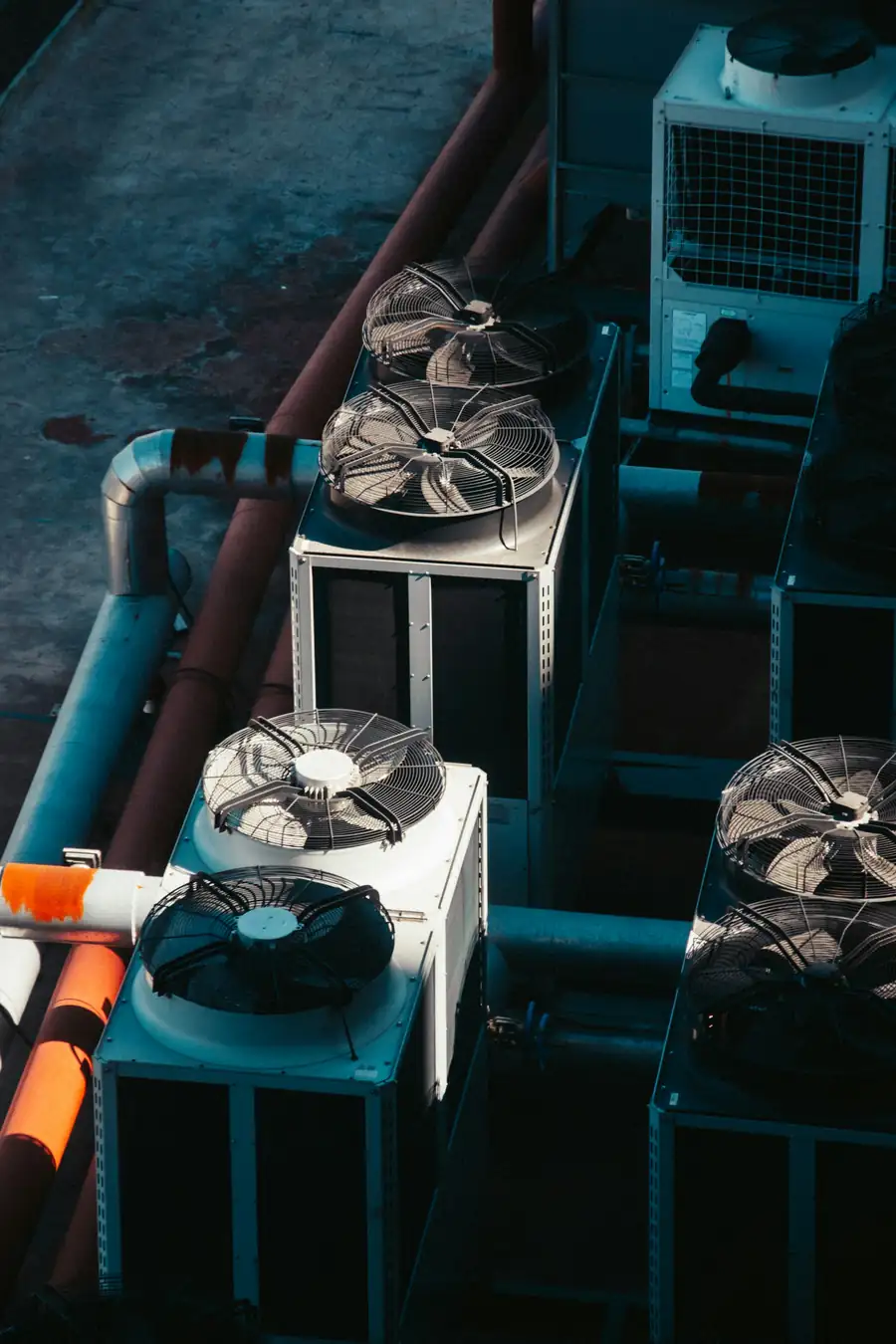
- Walk outside and look: is the condenser fan turning, and is the fin coil matted with cottonwood seed?
Leave the access panel on the outdoor unit closed. A capacitor can hold a dangerous charge after the power is cut.
Repair prices
Fixr's 2026 numbers have the bulk of AC repairs landing at $250 to $700, $375 on average, and This Old House says common fixes run $150 to $650. Both are national, so treat them as a yardstick, not a Buffalo price. Expect a diagnostic charge on top and ask, when you book, whether it gets credited if you approve the work. More price ranges, or hold a quote up to them: is this AC quote fair?
Knowing when to stop
When the unit is somewhere past 12 to 15 years and the diagnosis is a compressor or an evaporator coil, I'd ask for a replacement number before saying yes to the repair. A short cooling season adds calendar years to a system, but it does nothing to the price of an old compressor. Working through repair or replace.
What people around Buffalo want to know
Why does my AC run but only push out warm air?
Usual suspects: a capacitor or fan motor that failed on the outdoor unit, an indoor coil iced over behind a dirty filter, refrigerant lost to a leak, or a thermostat left on fan. Look at the filter and both breakers before anything else.
The outdoor unit buzzes but never kicks on. What is that?
Very often a weak run capacitor. It keeps a charge after the power is off, so let a technician handle it rather than opening the panel.
Why is water pooling by my furnace in July?
Most Buffalo basements have the cooling coil sitting on the furnace, and it sends condensation out through a thin drain line or a small pump. A clog sends that water over the side. Switch the cooling off and get the drain cleared before it soaks the furnace.
Do I need to cover the condenser over the winter?
A breathable cap over the top keeps falling ice and leaves out, but sealing the whole unit in plastic holds moisture against the coil. Keep snow drifts off it, and pull any cover before the first time you run the cooling in spring.